Margin Notes No. 006
A Memory We Never Lived
The runway as a collective cultural mirror.
Words: Khumoetsile Seamogano
Welcome to the Margin Notes.
A record of cultural observations, unfinished thoughts, and curious contradictions gathered from the margins of culture.
What are we reaching for when we reach for things that feel human?
Ten years from now, when we look back on the middle of a wonderfully chaotic 2026, perhaps we will remember that we still found ways to lick the sweetness from the bittersweet.
For one, Spain won the World Cup. Let us leave it at this: some victories are as political as they are restorative of the human spirit.
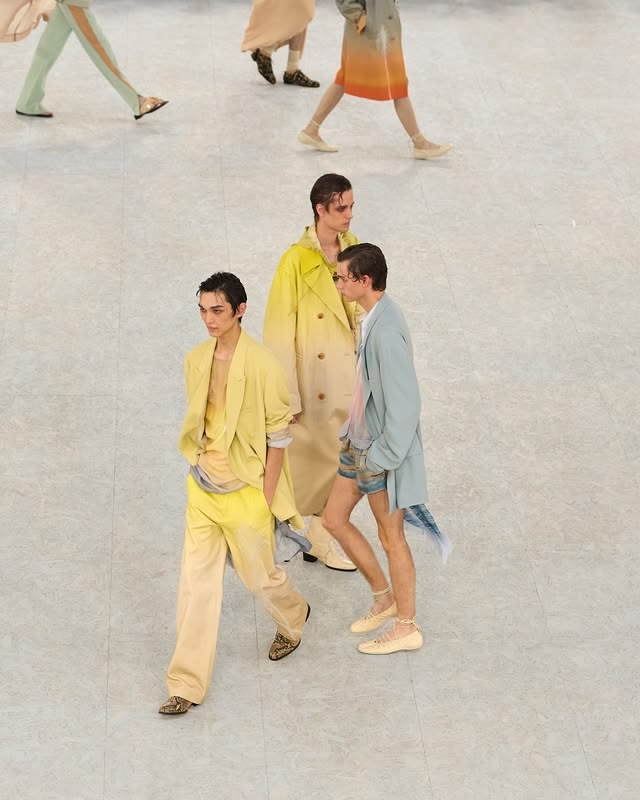
To really feel where we are as a collective, fashion offers another kind of context. From Milan to Paris, the men’s runway shows became reflections of a wider cultural yearning. Fashion’s politics are complicated enough to deserve a conversation of their own, but beneath the industry machinery lies something more subtle: the runway as a record of collective desire.
Clothing reveals what we are reaching for before we have the language to name it. This season, collections from designers such as Dries Van Noten and SOSHIOTSUKI explored this territory through different forms of remembrance: one through dream and poetry, the other through cultural memory and translation.
Observed from the stillness of the Botswana bush, far removed from the speed and spectacle of the fashion capitals, the nuances seem clearer.
“If only they would stay forever — nymphs / whose rosy flesh can spur the drowsy air / to dancing. / Did I love a dream?”
— Stéphane Mallarmé, L’Après-midi d’un faune (1876)
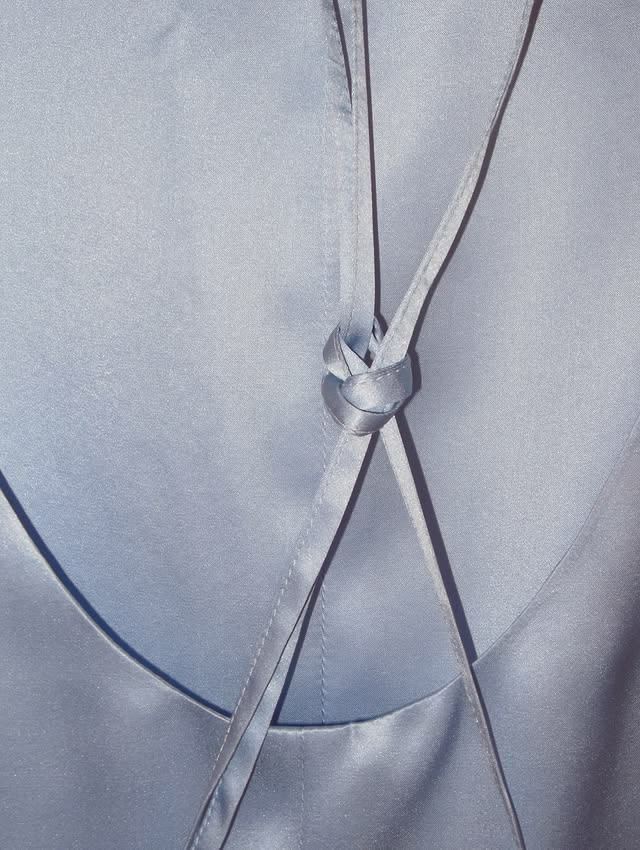
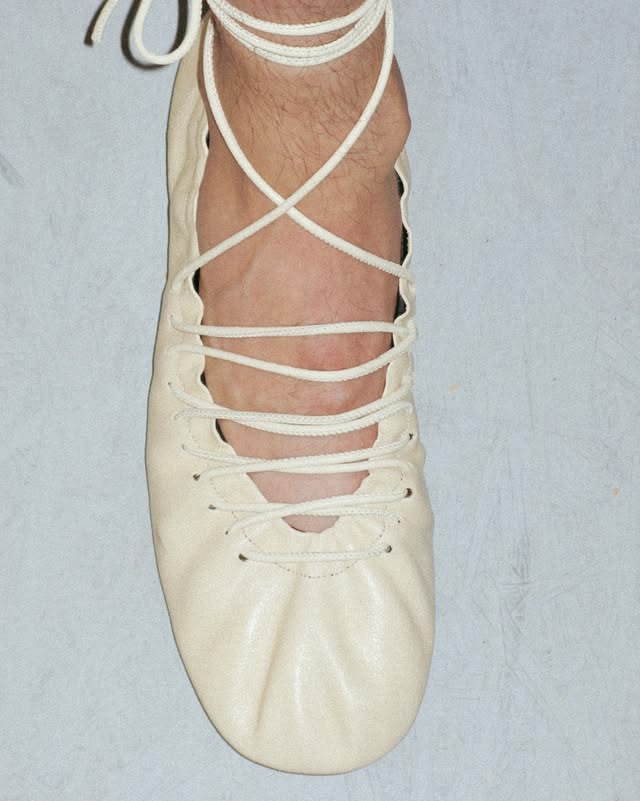
Dries Van Noten is translating the feeling of a dream into clothing.
The collection is not simply a return to nature or romanticism. Its interest lies somewhere more elusive… the space between memory and imagination.
The reference to Mallarmé’s L’Après-midi d’un faune is important because the faun wakes from a dream unsure whether the encounter was real. The beauty exists precisely because it is fleeting, uncertain, almost impossible to hold.
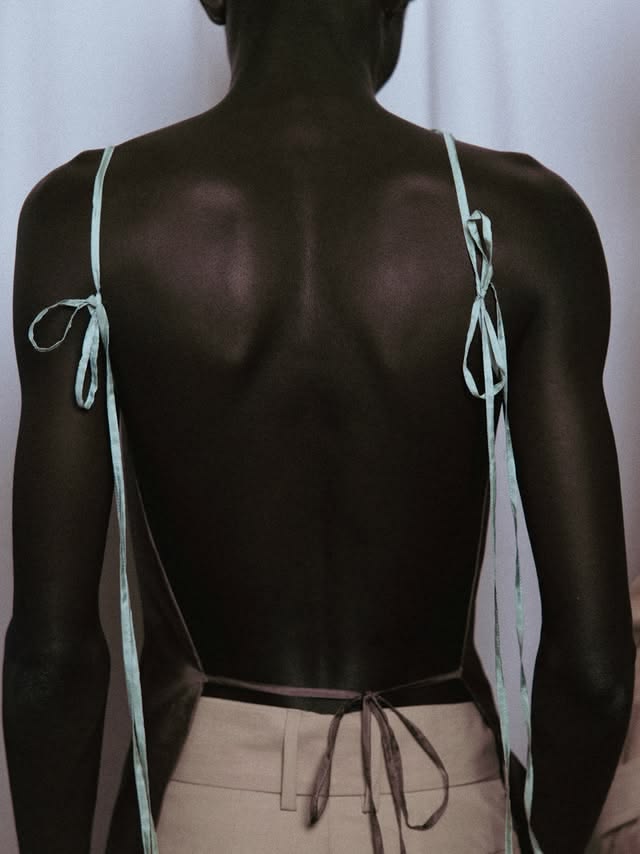
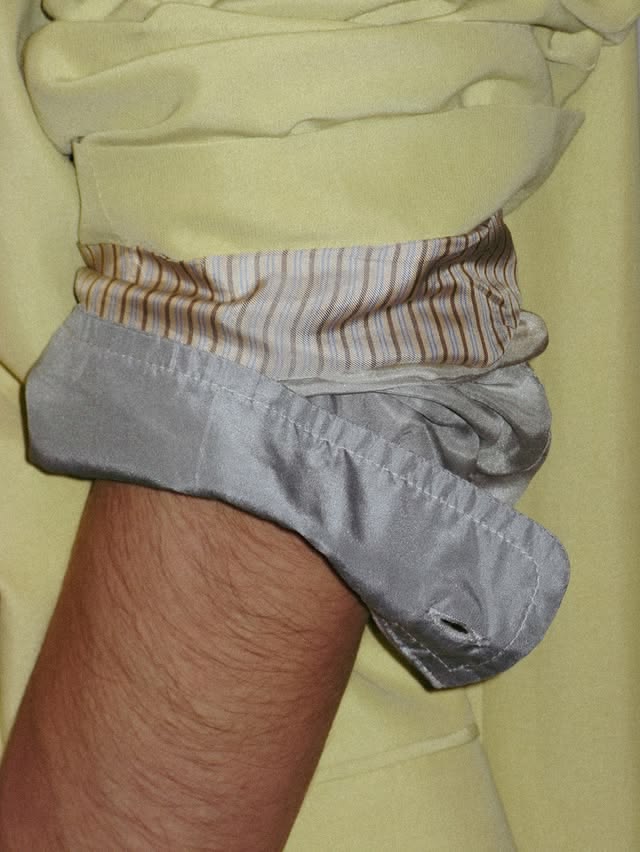
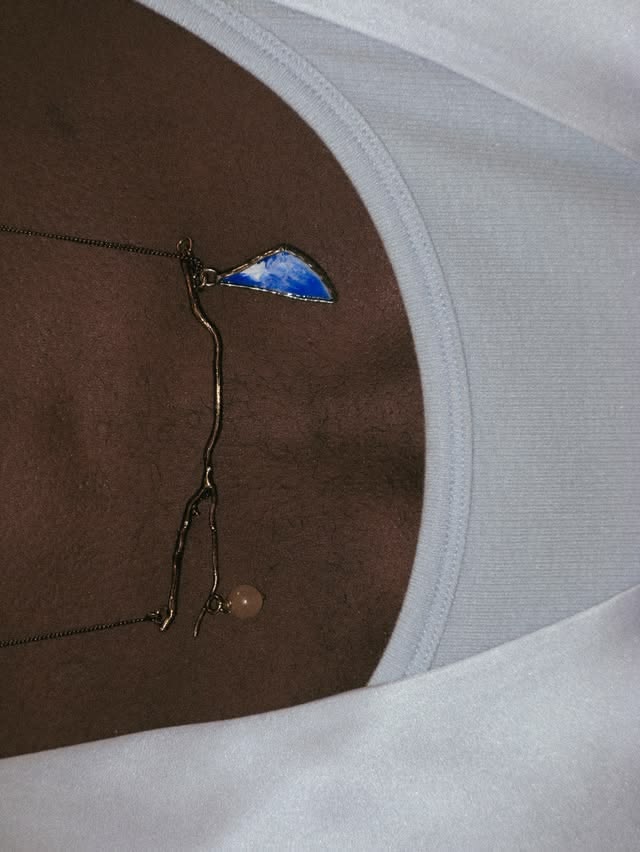
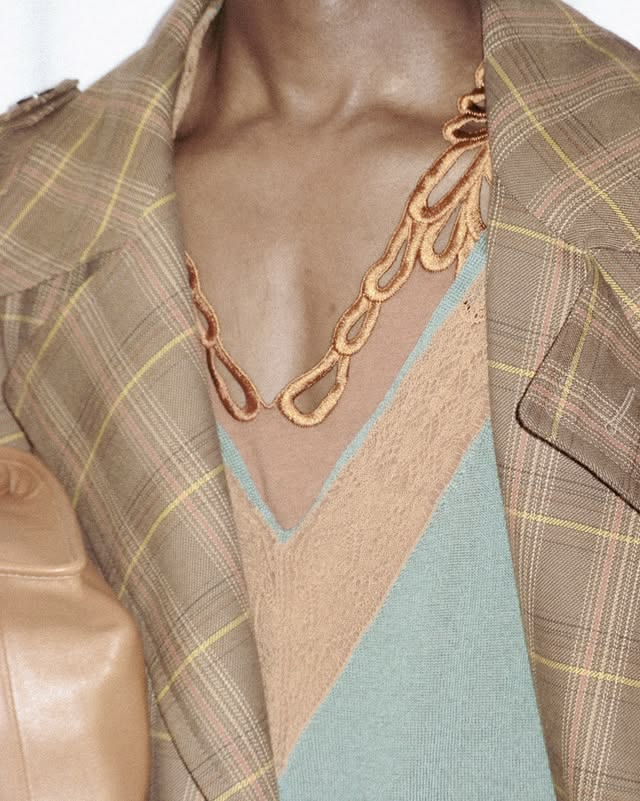
Visuals: Dries Van Noten
If Dries Van Noten explores memories we dream into existence, SOSHIOTSUKI explores memories we inherit through fragments of culture.
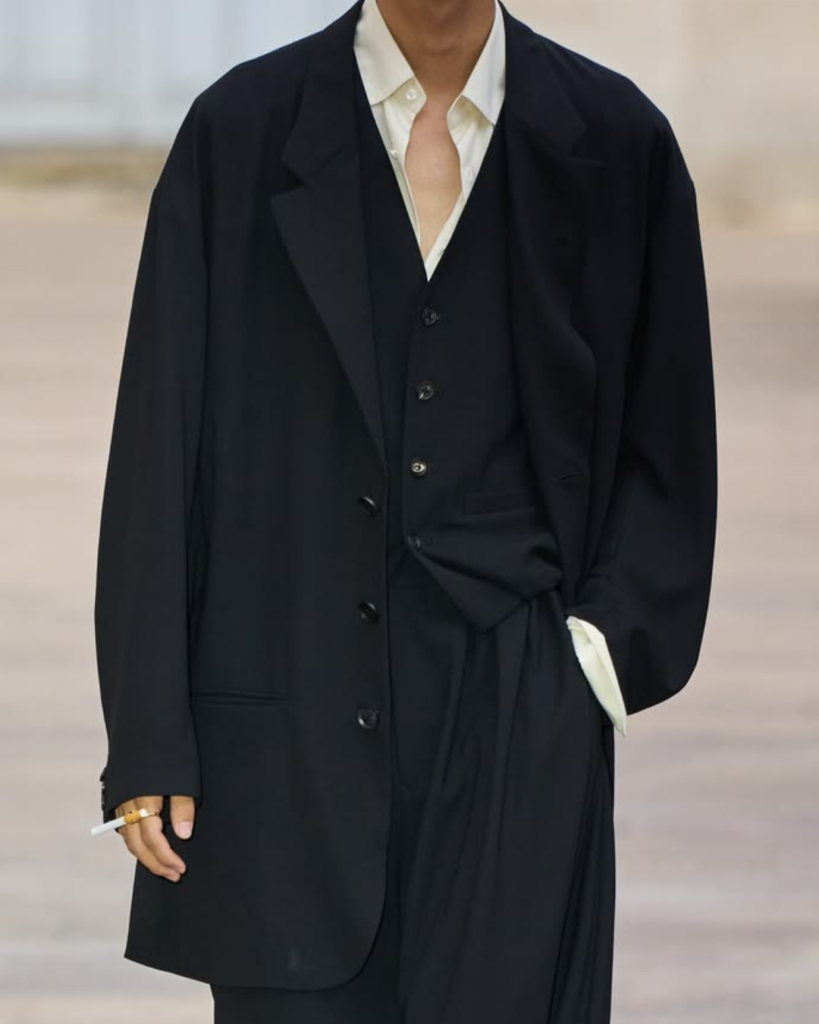
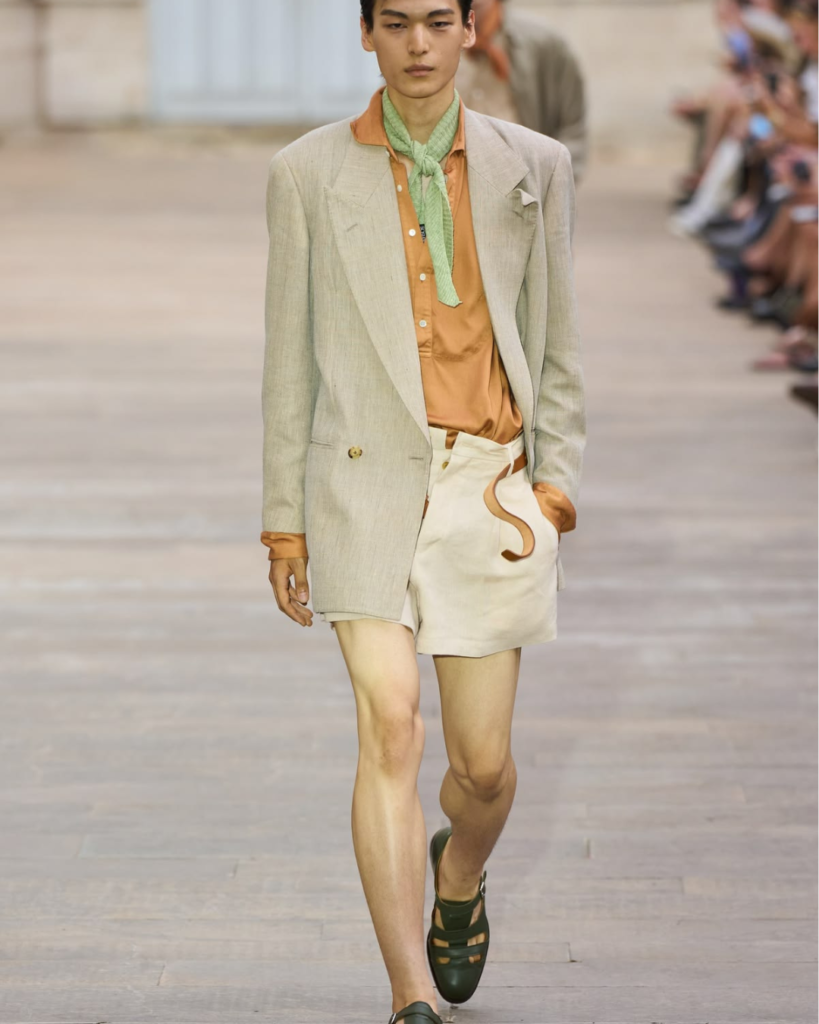
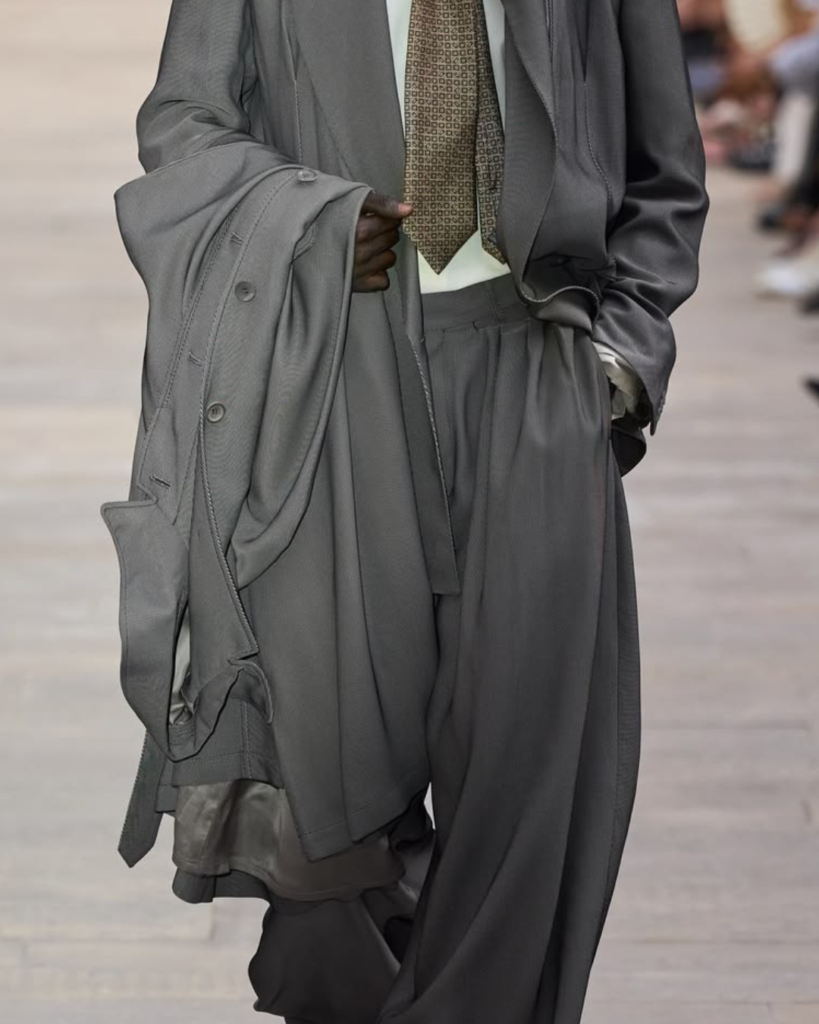
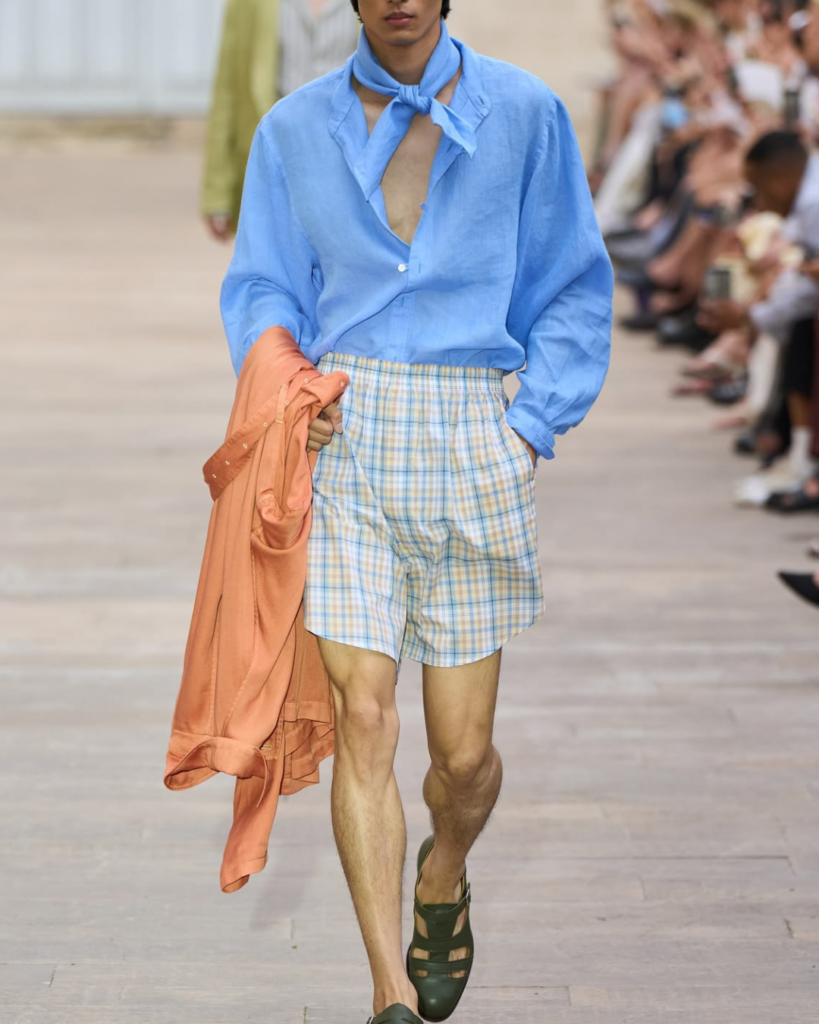
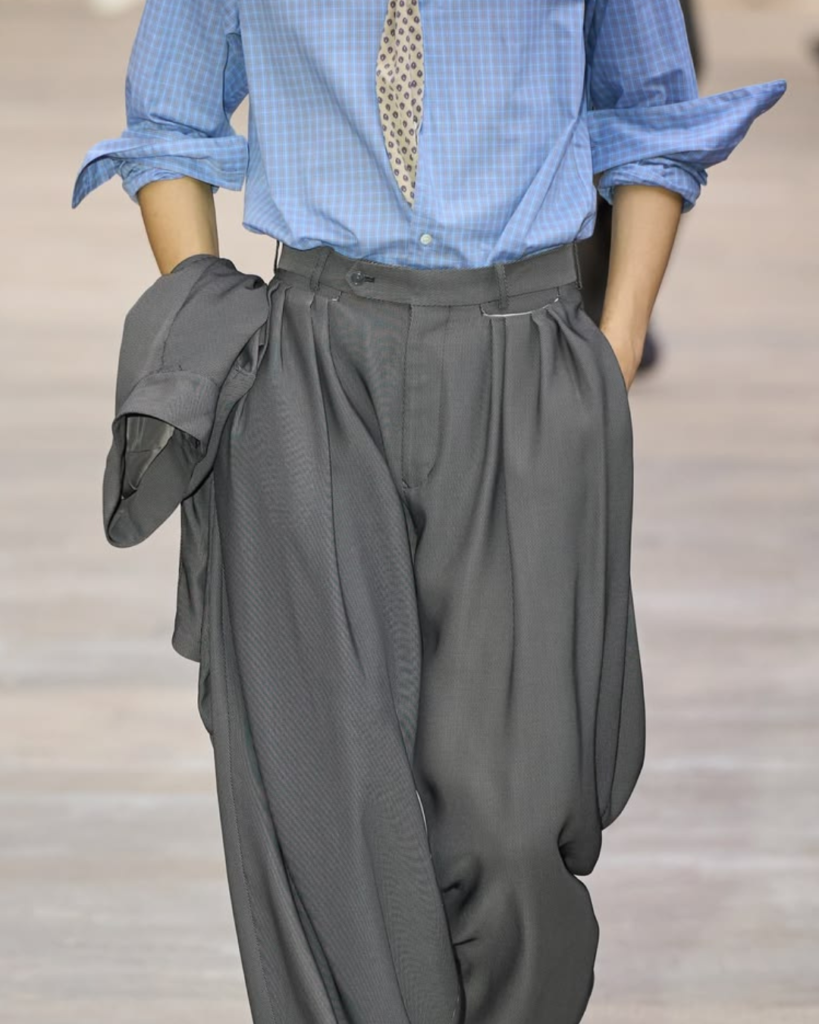
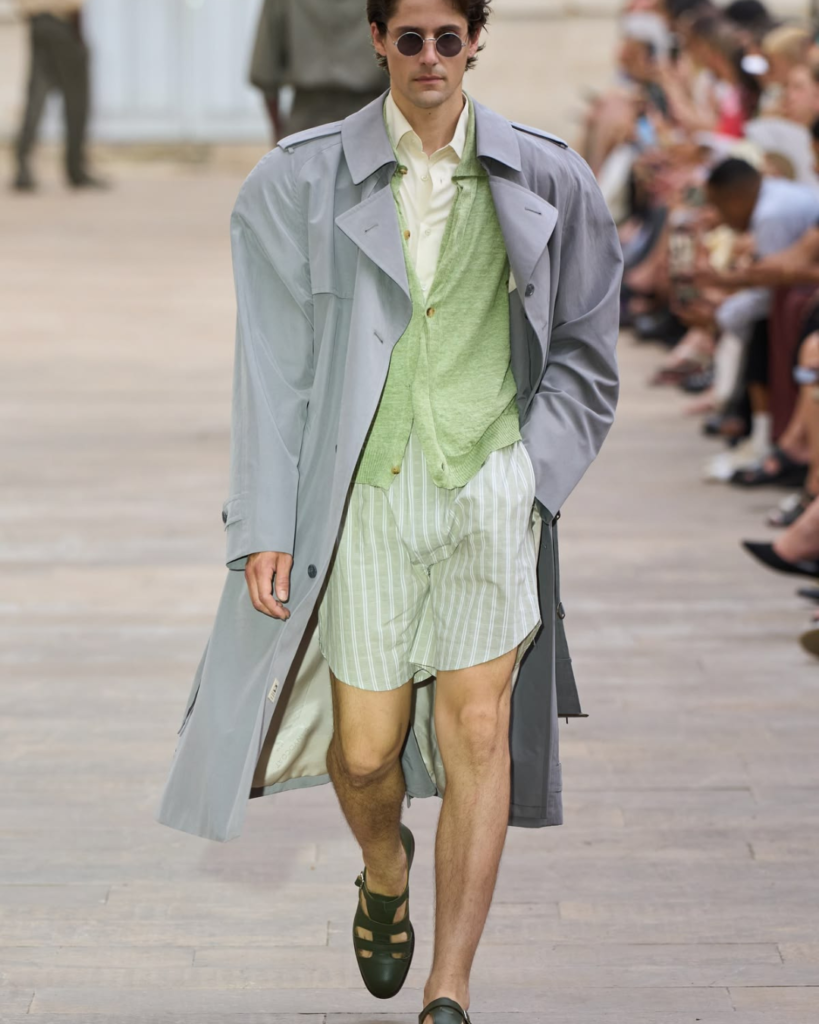
Deadstock kimono silks, forgotten Japanese wool traditions, and familiar symbols of the salaryman wardrobe are not treated as relics, but as living materials capable of starting a new conversation.
His work reflects a contemporary reality where identity is no longer formed only through geography or lineage, but through images, archives, objects, and stories. The suit becomes a vessel for translation: European tailoring reinterpreted through Japanese materials, rituals, and cultural memory. Rather than asking who owns a tradition, Otsuki asks how traditions evolve when they encounter new voices.
Where Dries asks: “Can memory belong to us if we never lived it?”, SOSHIOTSUKI asks: “Can something belong to us if it did not begin with us?”
“There is something imperfect about him–almost awkward. Yet, within that awkwardness lies humanity and charm.”
Visuals: SOSHIOTSUKI
It seems that, just as precision, optimisation, and automation become increasingly capable of shaping the world around us, we find ourselves drawn towards what bears the unmistakable imprint of human judgement.
Designers are not only responding to what we wear; they are giving form to the memories, dreams, and desires that seek us as much as we seek them.
We are witnessing a shift in ourselves. The runway, after all, was only ever the mirror.