Welcome to The Signal.
The Art of Noticing is the practice of paying closer attention to the people, objects, places, materials and ideas that shape our creative lives.
The Art of Noticing
A note from the season
The unforgettable fabric from the old shop by the corner; it has been years since it closed. The strange blue vase sitting by the window with the red frame. That book left open on a table; you wanted to feel the linen cover between our fingers. And, that one woman who changed your relationship with clothes simply by the way she dressed. Once, these encounters were rare enough to haunt you.
Now, you can see a thousand beautiful things from all corners of the world before breakfast. There is nothing wrong with washing your eyes with beauty, or collecting references, and more references. But, there is a particular emptiness that comes with seeing too much, too quickly. It gnaws your heart strings, and suddenly you question yourself more, and resist acting on the ideas that visit you when the world is asleep. You wonder whether the things you love are truly yours, or whether you have simply become very good at recognising what the tastemakers have already decided is beautiful.
What changed?
You?
Or your idea of beauty?
And, so the art of noticing begins.
Tarot Reading
The Nine of Wands, Seven of Swords Reversed, and Page of Wands
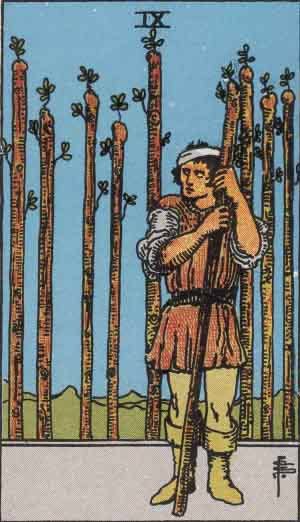
I. The Nine of Wands
The past
What was supposed to harden you, softened you instead. Wiser now, you can be as spontaneous as you dare. But, not everything and everyone can come with you.
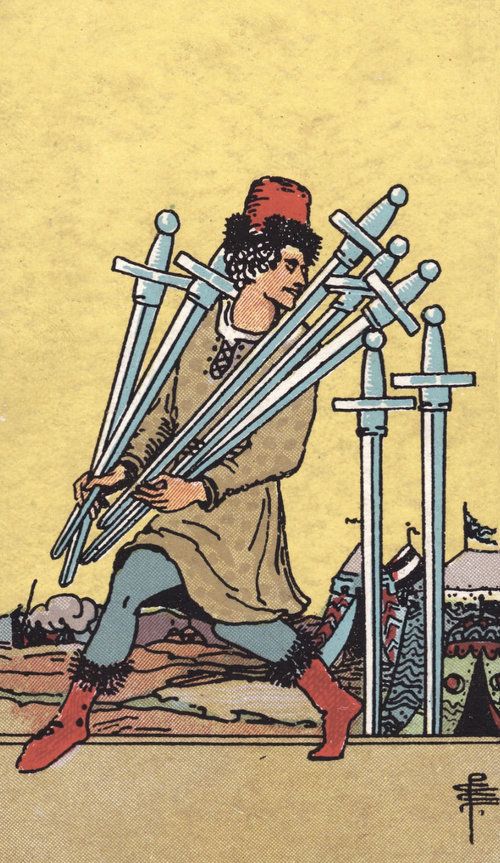
II. Seven of Swords, reversed
The present
Eventually everything must see the light. If you are willing to take the long route, do not let your heart convince you that you that the path is not yours to take.
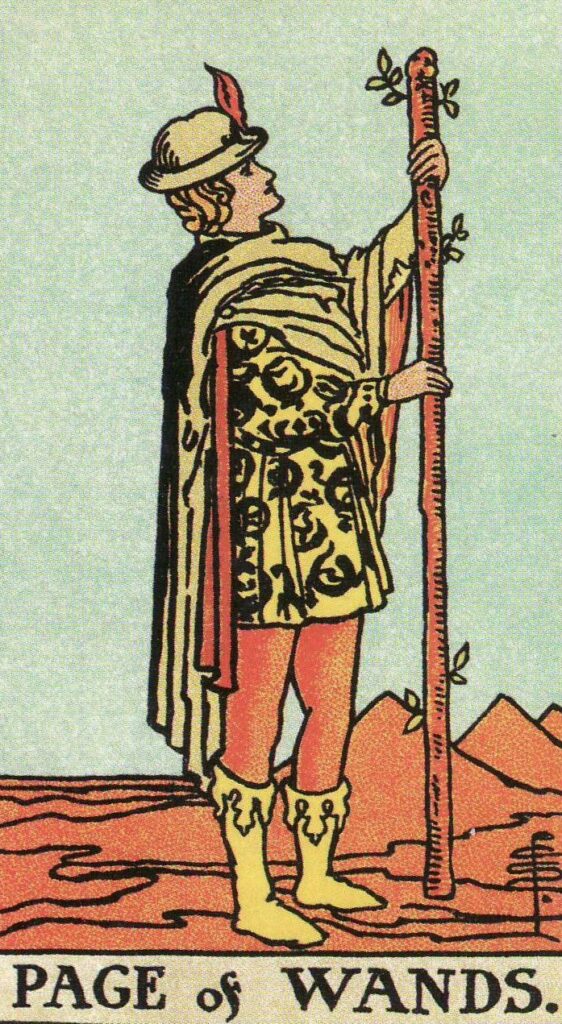
III. Page of Wands
The future
And when curiosity comes knocking at your door, do not half-ass following the thread that pulls you, no matter how stange.
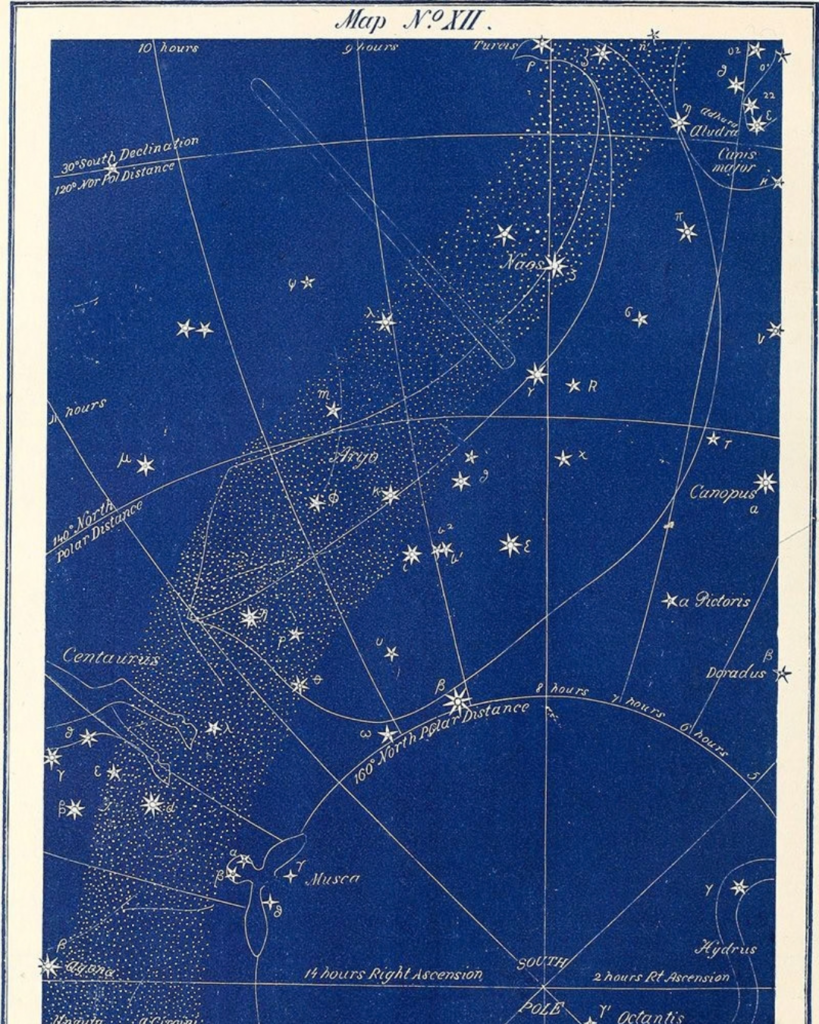
Man’s age-old fascination with the celestial has created countless beautiful—albeit not always accurate—diagrams of the universe.
Living Archive
The Stars and Seasons as told by Khumoetsile Seamogano
My great-grandmother never learnt how to read a calendar. She knew the stars better than she knew the back of her hand, and they seemed to know her too.
When the Seven Sisters appeared across the night sky, she, like many before her, knew what was coming. Soon, new leaves would dress the trees left bare by the harsh winter, and the earth would begin to hum again, warming the soil and coaxing seedlings from the ground.
Across Southern Africa, September marks a new beginning.
In one place, young girls carry clay pots filled with water from the river to quench the fields where farmers will plant. In another, young women gather reeds from the river and carry them to the Queen Mother. And in the west, Virgo rises, a maiden pouring water onto the land.
Different places. Different rituals. The same season turning.
All these coincidences are things a calendar cannot quite whisper to the descendants of people who knew that the stars have stories to tell, the earth has songs to sing, and you are part of the riddle.
Signals
Choose a card to keep your thoughts company
You have no idea how long it took to find you.
Some things are allowed to simply take your breath away.
Which one followed you home?
Wonder is perfectly good company.
Be suspicious of anything that insists on being understood in five minutes.
You too are a tide, after all.
that you would have walked past a year ago?
Threads of Inspiration
Films, Books, Art and Architecture That Teach Us to Notice
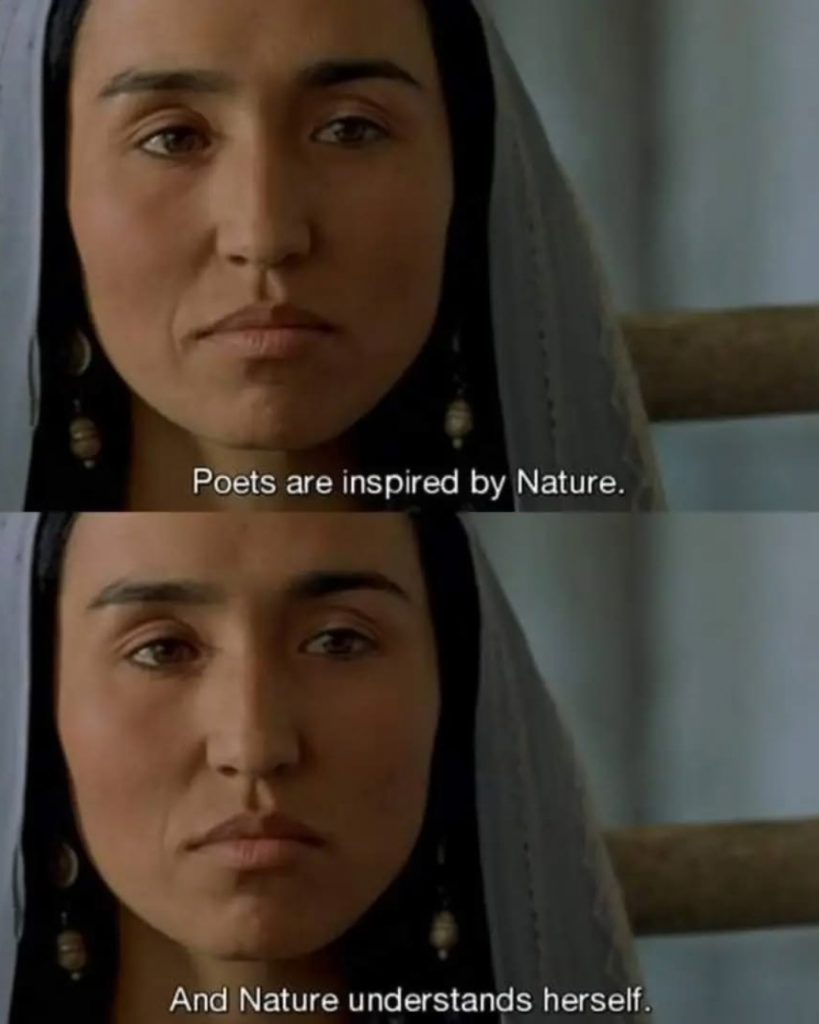
Film:
At Five in the Afternoon, Samira Makhmalbaf (2003)
At Five in the Afternoon is not an easy film to sit with.
Samira Makhmalbaf follows Noqreh, a young woman in post-Taliban Kabul who dreams of becoming president. Around her, though, life is considerably less interested in dreams. There is hunger. Ruins. Displacement. A family moving from one temporary shelter to another. A baby who is not being fed enough. A young poet trying to make something of a life.
And then there are the white shoes.
It would have been easy to make the film about liberation. Instead, Makhmalbaf brings attention to the life that goes on between the rumbles, the beauty and devastation of being human.
Book
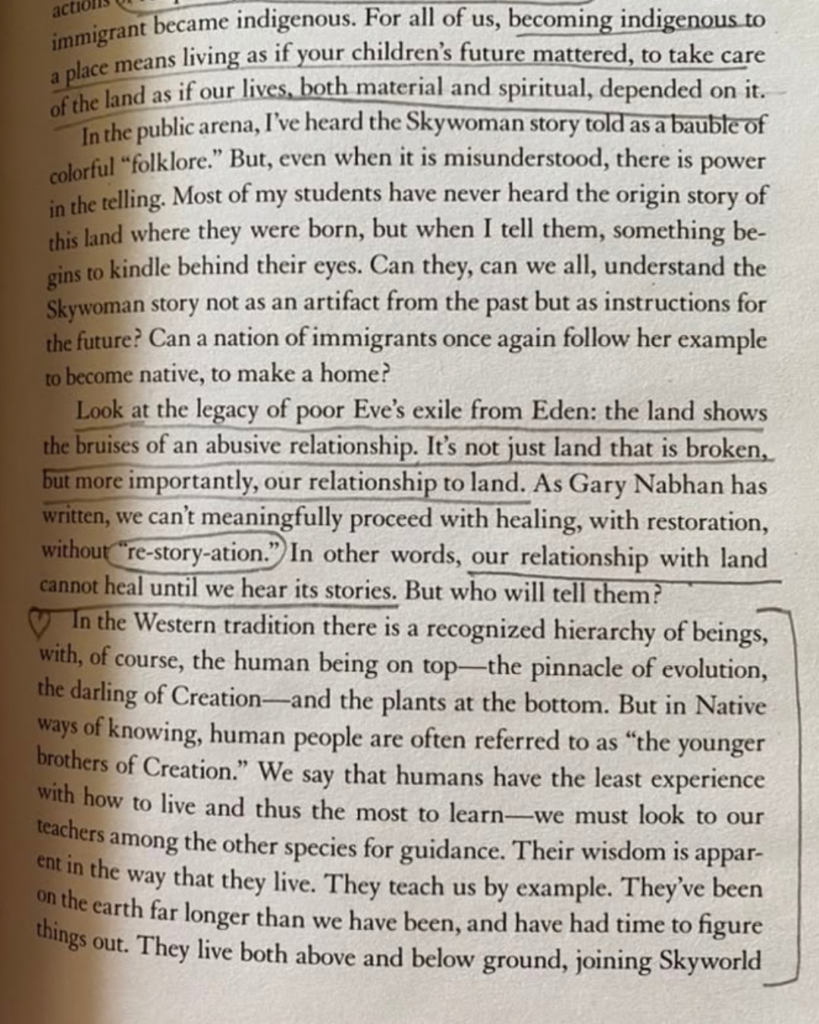
Braiding Sweetgrass by Robin Wall Kimmerer
In Braiding Sweetgrass, botanist Robin Wall Kimmerer brings scientific knowledge into conversation with Indigenous ways of understanding the natural world. She makes the case that plants are not simply resources to be studied or materials to be used.
Paying attention opens a portal to reciprocity. Suddenly, plants can be sages, healers, artists, living beings in constant dialogue with us.
For anyone whose work begins with materials, landscapes or living systems, it feels worth remembering that the deeper the attention, the deeper the relationship.
And maybe, the space in between is where understanding begins.
Art
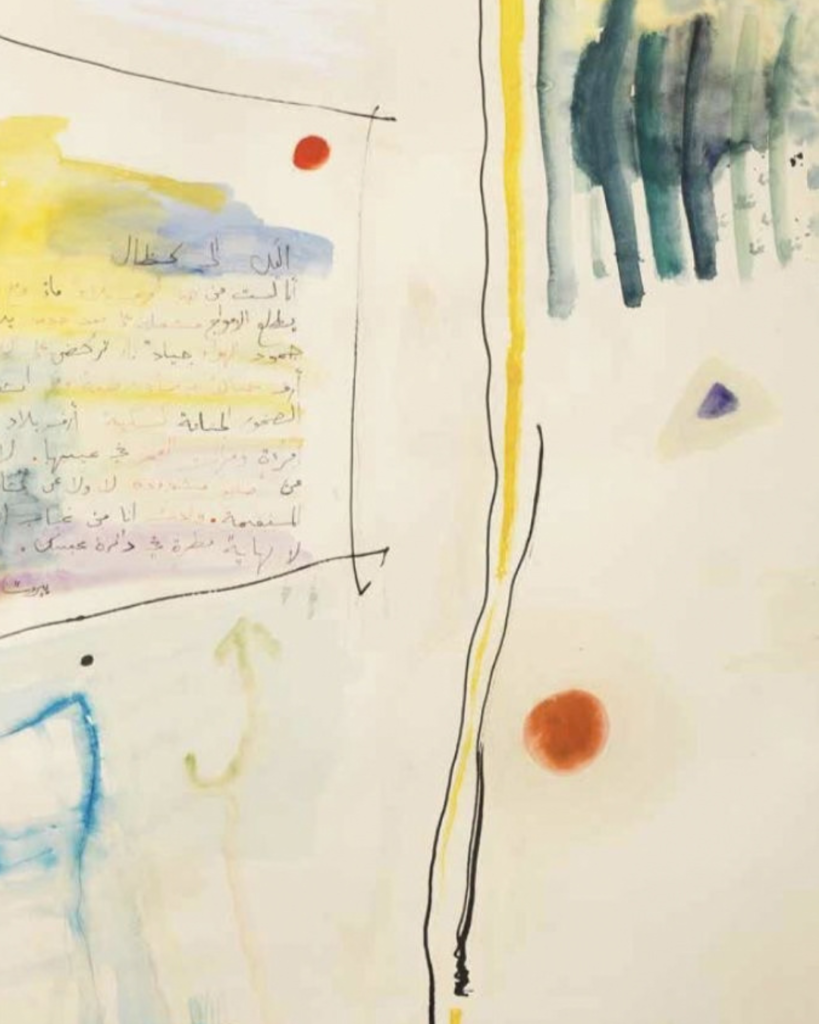
Etel Adnan (1926 – 2021)
For more than six decades, Etel Adnan returned to the same elemental things: mountains, skies, suns, circles, lines. She was a poet before she was a painter, and as with all poets, the world touched her, and she felt it.
Adnan was born in Beirut and lived between Lebanon, Paris and California. Mount Tamalpais, visible from her home in Marin County, became a recurring subject of her work.
How many times can you look at the same thing, and with each encounter, meet it for the first time?
Artchitecture
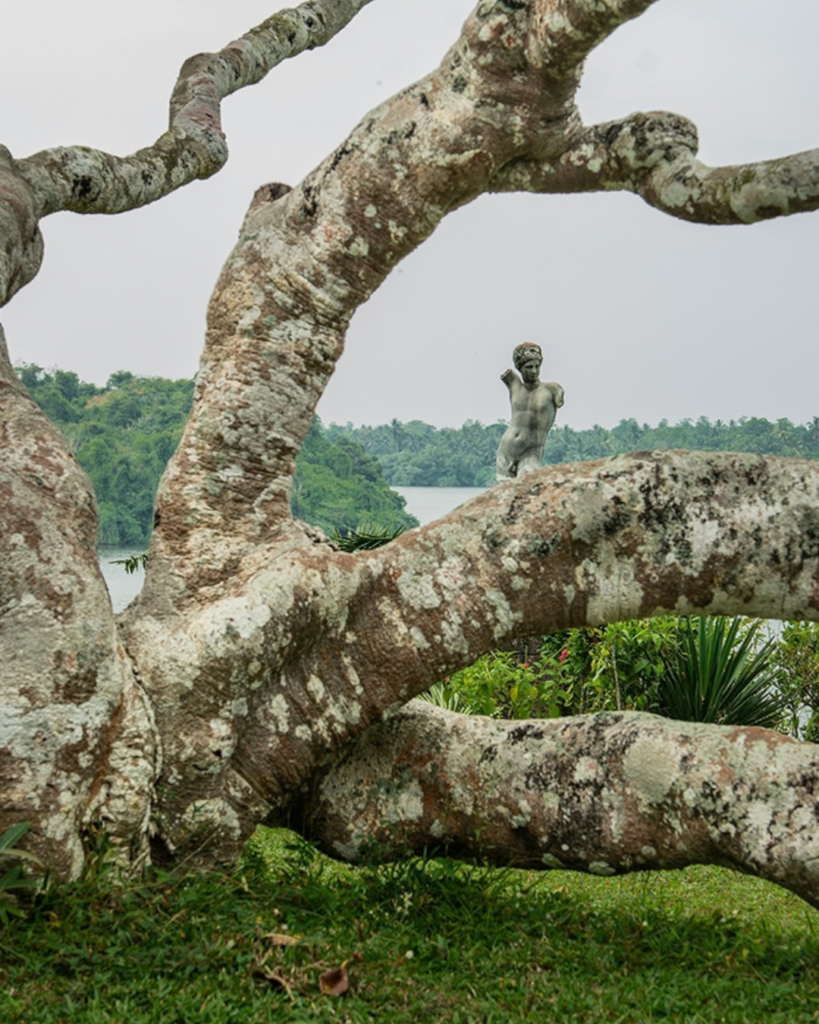
Geoffrey Bawa (1919 – 2003)
Geoffrey Bawa created living archives of human hands, tradition and time.
At Lunuganga, architecture was never quite separate from the land. Gardens, buildings, paths, walls, water and views were shaped together, over decades, with the existing landscape allowed to have a say in what came next. Architecture at its most generous is not imposing an idea upon the earth, but entering into a relationship with it. That way, the architect at his best is invited by the earth to shape her with care.
The highest form of responsibility might be intimacy with ourselves, the land, and the materials in our hands. A patient, slow dance of learning how to see. Once we learn to see, we become a little more careful about what we choose to leave behind. Bawa understood this.
12 Phrases for Practicing the Art of Noticing
1. I fear I’ve become interested.
2. Look again.
3. Unfortunately, I have questions.
4. I’m not done looking.
5. Be interested before you are impressed.
6. I have been distracted by a detail.
7. Follow that.
8. Trust what makes you look twice.
9. This has become my business.
10. I was not expecting to care about this.
11. I’m going down a rabbit hole.
12.The closer you look, the more there is to see.
Where shadow and light meet, you found
The Signal, a quiet pulse of clarity within the storm.
Pass it along.