Zoey Xinyi Gong is a practitioner of Traditional Chinese Medicine, working at the intersection of plant-based cuisine and holistic care. Her approach draws from seasonal rhythms, attending to how the body responds to subtle shifts in climate, environment, and daily life.
In spring, the body moves differently. There is a gradual opening, a return of movement, and a need for balance after the density of winter. Through food and simple practices, this transition can be supported with care.
What follows is a selection of Zoey’s recommendations for the season.
Seasonal Understanding
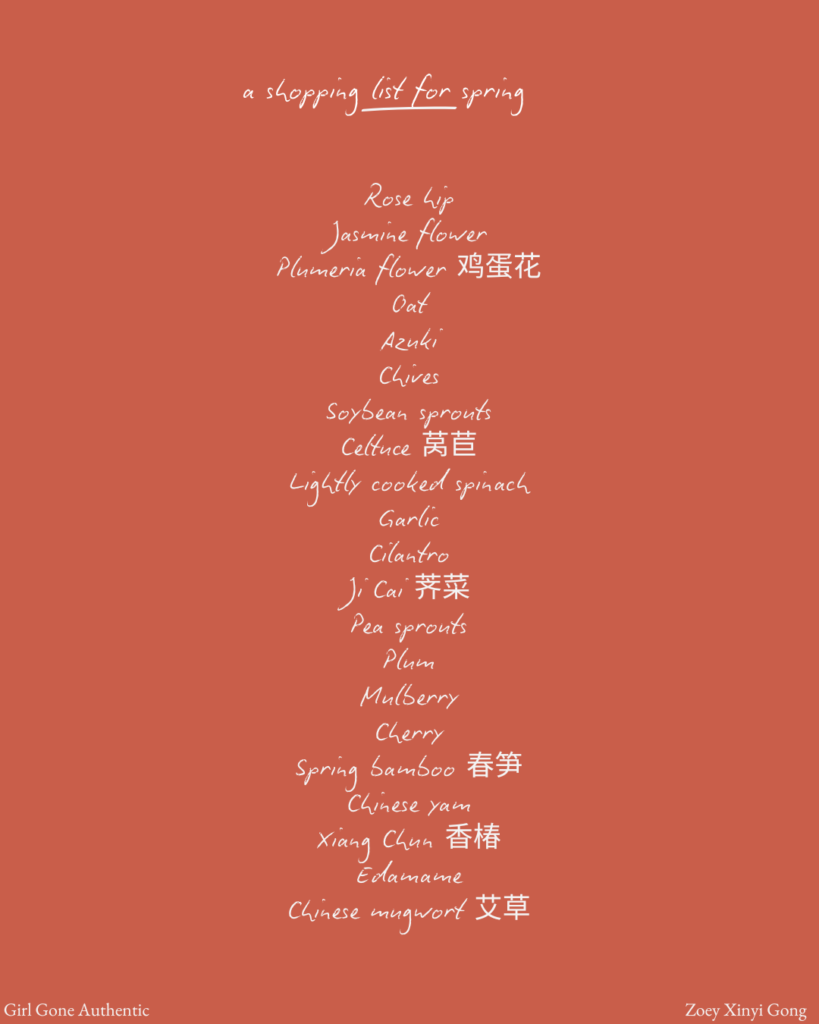
Food and Herbs
Spring favors lightness, freshness, and gentle movement. Foods are selected not for intensity, but for their ability to support balance and renewal. Where possible, seasonal and local produce should guide choice.
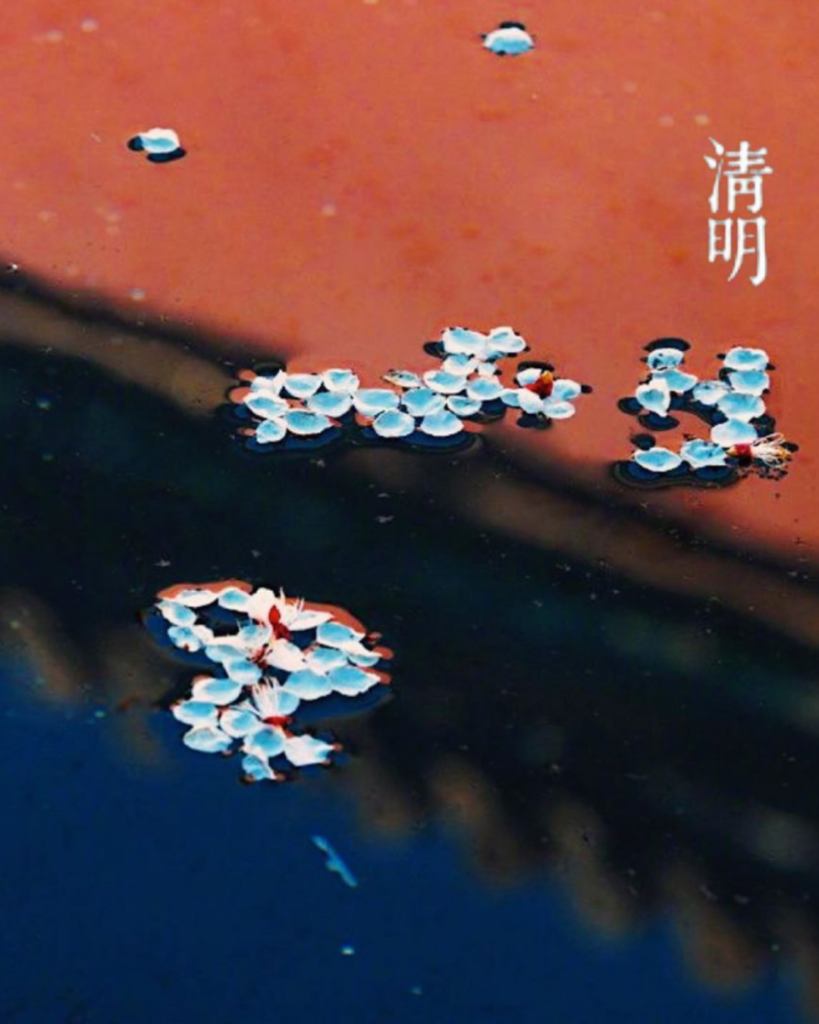
On Balance
Spring calls for moderation. After winter’s heavier foods and before summer’s cooling tendencies, the body benefits from neutrality. Ingredients can be combined to balance their energetics. For example, seafood, often cooling in nature, is paired with ginger and scallion to restore equilibrium.
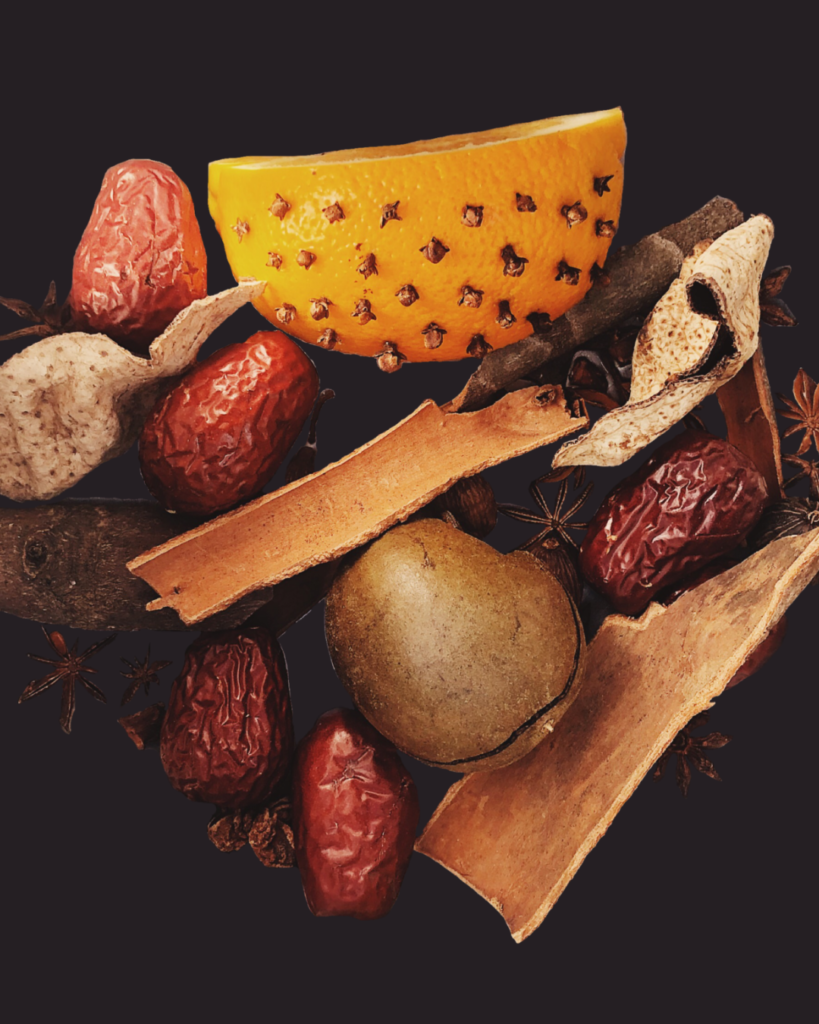
Supporting the Body
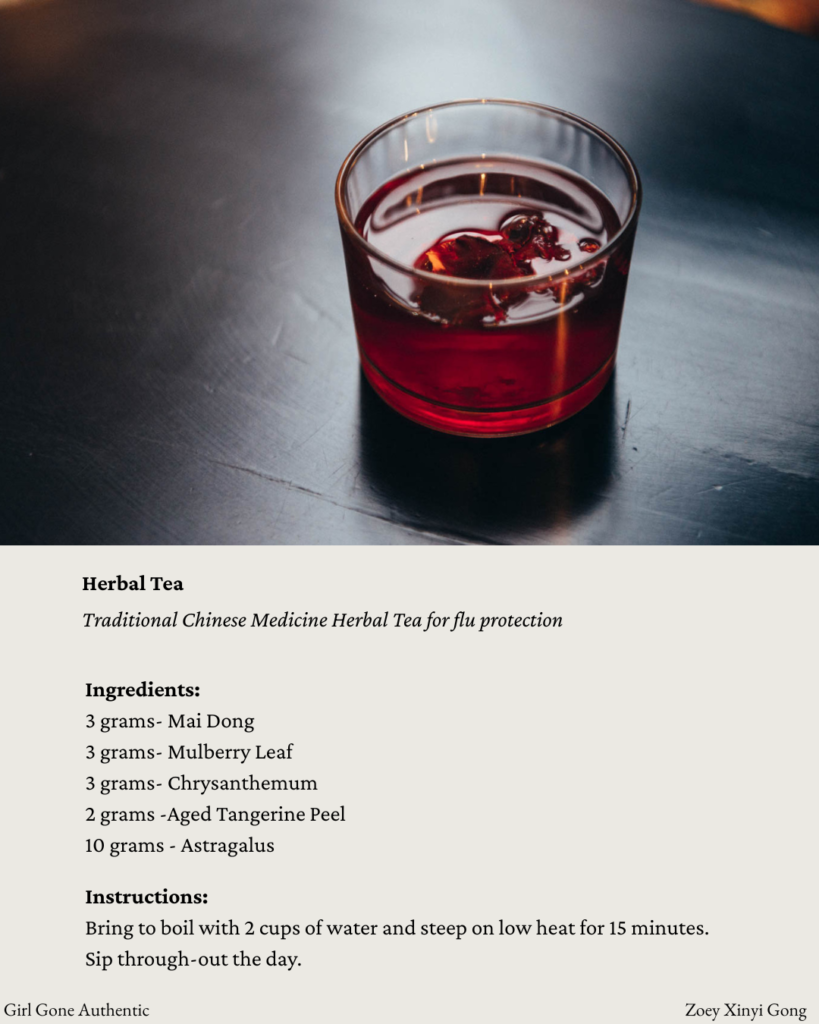
Attention is given to the liver during this season. Gentle practices such as herbal teas—chrysanthemum, goji, or honeysuckle—can support both balance and overall resilience.
Sleep and rhythm are equally important. Earlier mornings and evenings allow the body to align with the longer days. When time outdoors is limited, small gestures—plants, scent, light—can help maintain a sense of connection to nature.
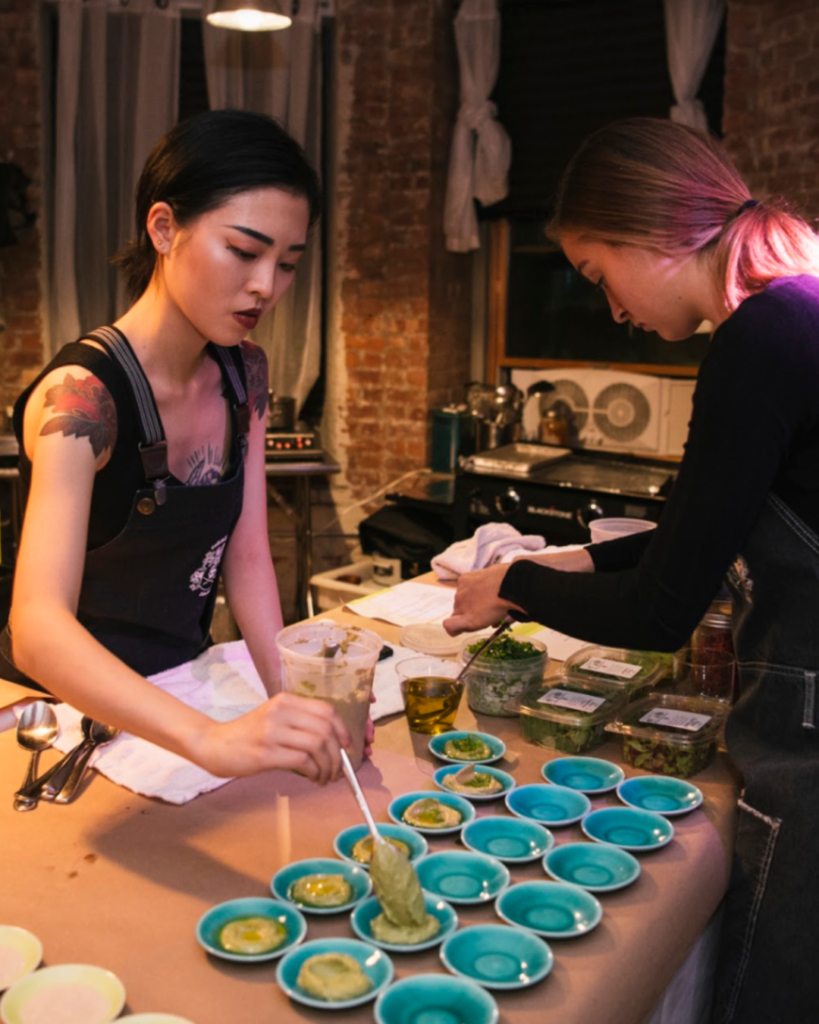
On Restraint
Spicy, oily, and overly rich foods are best limited. Simplicity allows the body to recalibrate. At times, light fasting may be beneficial, though always approached with care.
Practices
Simple, grounded ways to engage with the season.
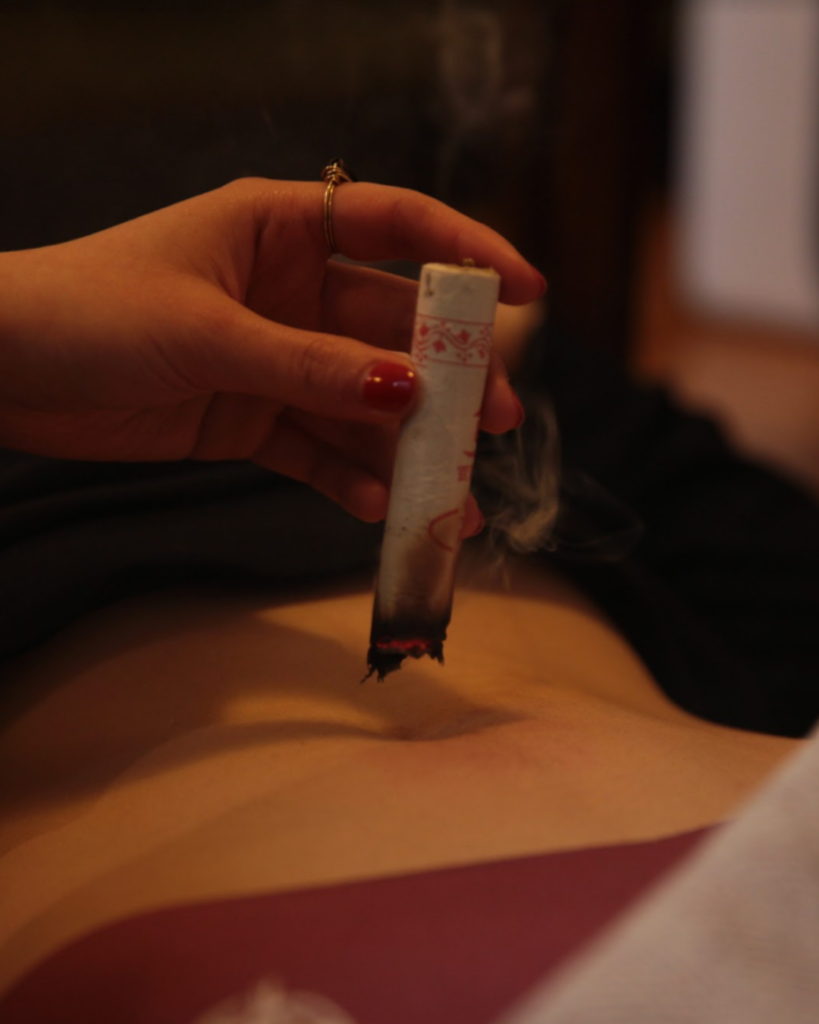
Moxibustion
Moxibustion, or 艾灸, is a traditional practice involving the warming of specific points on the body using dried mugwort.
It is used to support circulation and maintain balance, particularly during seasonal transitions.
Where possible, working with a trained practitioner is recommended. At home, gentler rituals such as mugwort foot soaks can offer a more accessible entry point.
Small adjustments support the body’s transition:
- Earlier evenings, earlier mornings
- Time outdoors where possible
- A light, attentive approach to food
Preperations
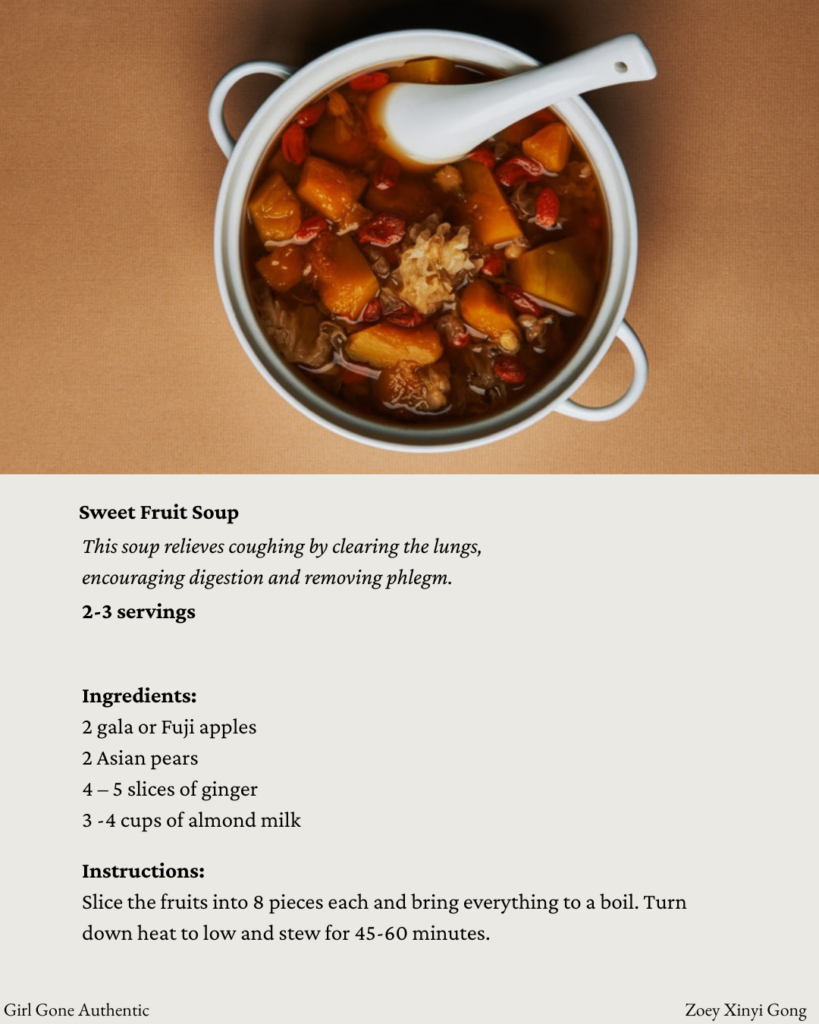
Designed to be kept, returned to, and used over time.
Traditional Chinese Medicine does not seek to override the body, but to listen to it. Through small, consistent practices, it becomes possible to move with the season, rather than against it.